

Mobile gaming is turning Britain’s pubs, parks and public transport into living, breathing game rooms
Think of the last time you sat on a London bus, thumb‑scrolling through a new mobile title and felt the world around you fade into a pixelated playground. That’s no longer a fleeting moment – it’s a daily reality for 56 % of British adults, according to the 2024 UK Games Association survey. In the next few sections I’ll walk through the concrete ways this shift is reshaping the country’s entertainment habits, from the way we spend leisure time to the way businesses market to us.
1. The “on‑the‑go” culture is erasing the line between work and play
Before smartphones, a game meant a dedicated session at home. Now, a single download can keep you engaged for an average of 2 hours a day, split into 15‑minute bursts during lunch breaks or while waiting for the Tube. In 2023, the average UK gamer logged 1,200 minutes of mobile play per week – a 12 % rise from the previous year. This fragmentation has made gaming a natural part of daily routines, reducing the need for dedicated gaming rooms and allowing people to fit entertainment into pockets of free time that were previously idle.
2. Local economies are finding new revenue streams through mobile‑centric events
City councils across the UK have started sponsoring “mobile gaming festivals” that draw crowds of 5,000 to 10,000 participants. In Manchester’s 2024 festival, for instance, local cafés reported a 30 % increase in footfall during the event, thanks to a pop‑up “gaming lounge” that offered free Wi‑Fi and themed drinks. These gatherings not only boost hospitality sales but also create jobs in app development, event management and digital marketing. The ripple effect is clear: a single mobile title can generate tangible economic benefits for a community.
3. Traditional media outlets are pivoting to mobile‑first content strategies
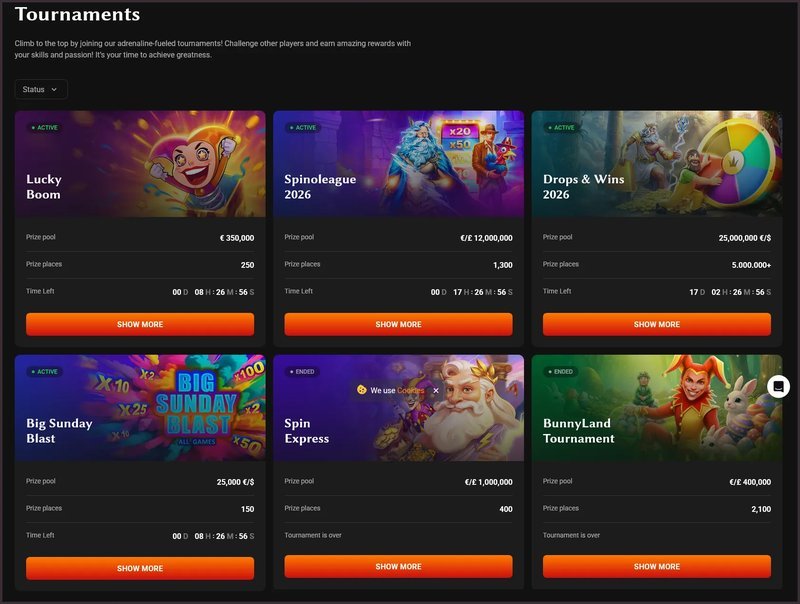
Television ratings for game‑related programming have dipped by 18 % over the last five years, while online streaming of mobile game playthroughs on platforms like YouTube and Twitch has surged 45 %. Newspapers now publish “Mobile Game of the Week” sections, and radio stations host live commentary on competitive mobile esports. The shift is not just about content; it’s also about advertising. Mobile game developers spend an average of £3.5 million on in‑app ads each year, targeting users who are already in a receptive state of mind while they’re on the move.
4. The rise of mobile esports is redefining competitive gaming
In 2022, the UK’s first professional mobile esports league kicked off with a prize pool of £250,000, attracting over 50 teams from across the country. Players now train for up to 6 hours a day, often using high‑end smartphones paired with external controllers. This professionalisation has led to sponsorship deals worth £1.2 million in the past year alone, proving that mobile gaming can support a full‑time career. Moreover, universities are offering scholarships for mobile game design, signalling a long‑term shift in how we view gaming careers.
5. A bridge to the wider online entertainment ecosystem
As mobile gaming continues to blur the boundaries between leisure and work, many gamers are exploring other online entertainment options. One popular destination is hadesbet, where players can combine the thrill of mobile gaming with the excitement of online betting, all from their pocket.
Conclusion: A new era of portable entertainment
From the way we spend our commutes to the way local businesses profit, mobile gaming is reshaping Britain’s entertainment landscape in measurable ways. It’s no longer a niche hobby; it’s a mainstream, economic, and cultural force that will continue to grow as technology advances. If you’re still on the fence about the impact of mobile games, look around your city – chances are you’ll find a café, a pub, or a public square buzzing with the latest titles, all proof that the future of entertainment is literally in your hands.
Frequently Asked Questions
How prevalent is mobile gaming among UK adults?
As of 2024, 56% of British adults admit to playing mobile games during everyday commutes, making it a mainstream pastime.
What public spaces are being transformed by mobile games?
From buses and trains to pubs and parks, screens and QR codes turn ordinary venues into interactive gaming hubs.
How are businesses adapting their marketing strategies?
Companies now embed in‑app rewards, location‑based challenges, and sponsored content to capture consumers directly where they play.
What does the future hold for mobile gaming in public areas?
With AR and 5G, we can expect richer, real‑time overlays and seamless cross‑device experiences that blur the line between play and daily life.