
First Visit to a Casino Floor: A Practical Walkthrough
Stepping onto a casino floor for the first time can feel a bit surreal, especially when you have not sorted your expectations beforehand. You are not there to crack a code or chase a guaranteed win, so the sensible approach is to treat it like any other adult entertainment venue with its own rhythm, rules and payment quirks. If you are a casino first visit player, the trick is to learn the layout, the stickman’s patter and the cashier flow before you commit any cash. A quiet arvo at the tables or a short session on the pokies beats blowing a budget in ten minutes because you did not pause to read the room.
What the Floor Actually Runs On
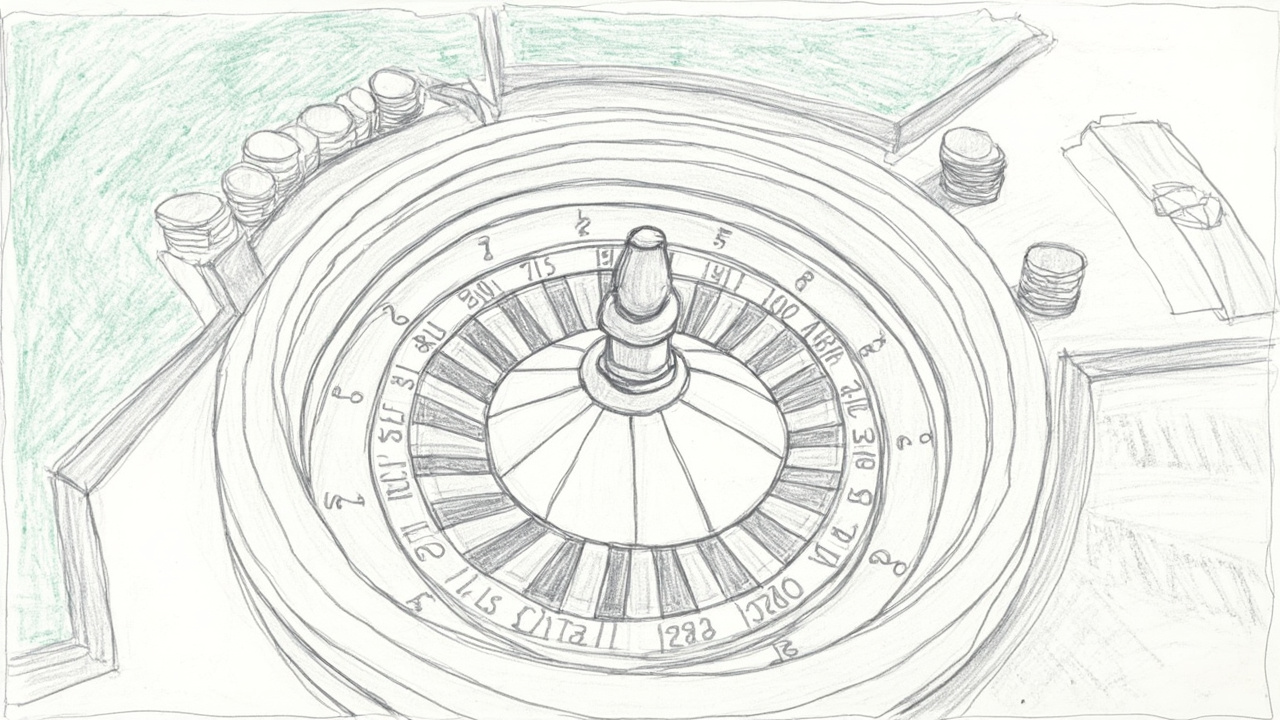
The venue is built on a simple split: live tables where a stickman announces each roll with colourful, traditional patter, and a pokies floor where the artwork and themes are refreshed constantly to keep players interested. That split matters for a newcomer because the pace, the language and the way you handle money are completely different in each zone. Tables run on chips, verbal calls and a dealer who expects you to know the basic hand signals; pokies run on credits, spin buttons and a screen that tells you when you have hit a bonus round. If you walk in assuming both sides work the same way, you will waste time and probably a few coins.
For an ordinary Australian reader, this shows up in small, practical ways. You might plan to spend an hour after work, then realise the cashier closes earlier than you thought, or that your card gets flagged because you tried to top up twice in one session. The fix is boring but effective: check the cashier hours, decide your limit before you sit down, and treat the first visit as a reconnaissance run rather than a spending spree. codes on abigcandy no deposit bonus codes
Cashier Flow, Payments and the Verification You Will Hit
Deposits, currencies and the limits you actually see
The cashier usually takes Australian dollars, and most venues will let you move between cash and machine credits without much fuss, provided you stay within the published per-session limits. If you are paying by card, expect the terminal to run a standard authorisation first, and do not be surprised if a bank transfer or BPAY-style top-up takes longer to clear than the on-screen prompt suggests. PayID can be quicker for some accounts, but the timing still depends on your bank’s own processing window, so do not plan a late-night session around a payment that might sit pending until the next business day. Card blocks are a real nuisance here: some issuers treat gambling-related transactions as high-risk and will decline or hold them, which is why a quiet check with your bank before you arrive saves a lot of frustration at the machine.
Withdrawals, verification and the timing that catches newcomers
Getting money back out is where a casino first visit player usually learns the most. You will typically need to verify your identity before a withdrawal clears, and that means showing a licence, a card or a utility bill that matches the account name. The process is not a trap, but it is not instant either, and the venue will not bypass it just because you are in a hurry. Once verification is done, the withdrawal path usually follows the same route you used to deposit, with bank transfer timing again depending on the institution on the other end. If you tried to use a card that later got blocked, you may find the withdrawal route narrows to a bank transfer or another method the venue still accepts. The practical takeaway is simple: sort your ID, pick one payment route you know works, and do not expect a same-day turnaround unless the venue and your bank both support it.
How the First Visit Fits a Real Player’s Needs
A sensible first visit is less about the games and more about confirming that the venue’s flow matches your own habits. If you like a slow session with a clear limit, the tables and a stickman calling each roll can be a steadier introduction than a pokies floor that refreshes its artwork and themes constantly to keep players interested. If you prefer a shorter, lower-stakes run, the pokies side lets you watch the screen, learn the bonus triggers and step away without the social pressure of a live table. Either way, the player-fit question comes down to whether you are comfortable with the cashier timing, the verification step and the payment route you have chosen. A venue that feels friendly on the floor can still be annoying at the cashier, so the match is only real when the money side works as smoothly as the games.
Ella Graham, Independent iGaming Expert, Southern Star Esports, has noted that newcomers often overestimate how quickly a venue’s payment flow will match their own bank’s timing, and that a first visit is better spent confirming the cashier window and the verification step than chasing a bonus that looks generous on paper. Ethan Mitchell, Head of Live Casino, Pacific Wager Analytics, has pointed out that the stickman’s traditional patter on the tables is part of the venue’s rhythm, and that a newcomer who learns the calls early tends to settle into the session without overspending just to keep up.
If you are a casino first visit player, the cleanest verdict is to treat the floor as a place to learn the pace, the payment route and the verification requirement before you commit to a longer session. Pick a quiet time, sort your ID, choose one payment method you know your bank will accept, and set a limit you can walk away from without fuss. The venue will still run its tables with colourful patter and its pokies with constantly refreshed themes, but your first visit is best spent confirming that the cashier, the timing and the limits actually fit the way you want to play. 7news Aap