
Keeping a Level Head at the Tables
A casino stoic gambling philosophy asks players to separate emotion from outcome and treat each session as a measured exercise rather than a chase. That mindset suits the Australian room, where the lights are bright but the pace can still be managed. Most adults here know the difference between a quiet arvo at home and a busy night on the floor, and the same discipline translates to the screen. We spoke with a social casino CRM veteran who has watched thousands of player journeys across iGaming, hospitality, and lifestyle brands, and the pattern is consistent: the players who last are the ones who set a boundary before they ever log in.
What a Stoic Approach Looks Like in Practice
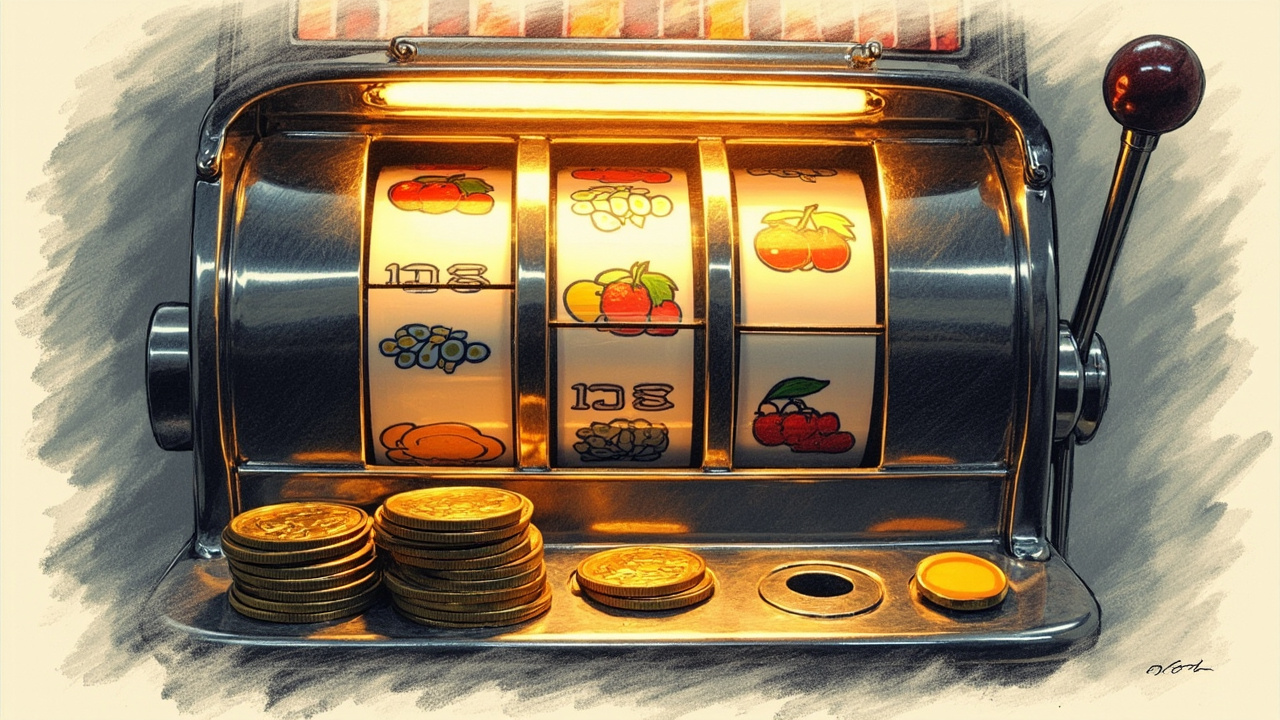
The first session usually begins with a familiar rhythm: load the site, check the menu, and decide what you are actually there for. A player working with a casino stoic gambling philosophy does not open the lobby looking for a problem to solve; they pick a game, set a time or credit limit, and treat the rest as background noise. The interface matters here more than most people admit. Clear navigation, readable symbols, and a layout that does not crowd the screen with pop-ups keep the mind on the task instead of the clutter. When the lobby is built around straightforward categories and a sensible search bar, the player spends less time hunting and more time sticking to the plan they set at the desk. That is where the philosophy earns its keep, because a calm interface removes the little frictions that tempt a player to drift.
The same discipline shows up in how a player handles the first spin, the first hand, or the first bet. In poker, the old story of the dead man’s hand – two black aces and two black eights reportedly held by Wild Bill Hickok when he was shot – still gets passed around as a reminder that a single moment can carry a heavy story. A stoic player does not carry that story into the next round. They note the result, keep their posture, and move on. The CRM side of the industry backs this up: retention climbs when players feel the product respects their time rather than pressing on it. A well-built lobby, a sensible currency display in Australian dollars, and support that answers plainly all reinforce that feeling.
Building the Session Around Control
Setting the frame before the first play
A player who wants to keep the mood steady usually starts with a small, concrete frame. That might be a thirty-minute window on a Tuesday evening, a fixed credit amount, or a decision to stop once the session has run its course. The point is not to predict the outcome; it is to decide the shape of the evening in advance. When the lobby opens with a clean visual identity – legible headings, a currency that matches what is in the wallet, and a registration flow that does not ask for more than it needs – the player can settle in without second-guessing the setup. Mobile play adds another layer, because a phone screen can turn a measured session into a distracted one if the layout is cramped or the buttons shift around. A stoic approach prefers a product that behaves the same way on a handset as it does on a desk, so the player is not relearning the room halfway through.
Reading the room without chasing the mood
The second half of the session is where most players drift, and the stoic player watches for the same signals without following them. A losing streak does not become a reason to raise the stake, and a hot run does not become a reason to extend the night. The expert we spoke with noted that social casino CRM data consistently shows players who log off on their own terms return more often than those who ride every swing to its end. That is not a moral claim; it is a practical one. A player who treats each result as a result, not a verdict, keeps the session in the same category it started in. Some people compare timing against notes on Perth gambling forums, where slow transfers get flagged fast, and the same habit of checking facts before reacting applies to the play itself.
Matching the Mindset to Player Needs
A casino stoic gambling philosophy works best when it fits the player’s actual routine, not the idealised version of it. For someone in Sydney finishing a late shift and wanting a quiet hour before bed, that might mean a short session on a familiar slot, a clear stop point, and no temptation to keep going just because the screen is still on. For a player comparing timing against notes on action in big bass bonanza slot, the same discipline applies: the game is the game, and the boundary is the boundary. The product side matters here too. A lobby that localises language and currency properly, a support team that answers without waffle, and a loyalty structure that rewards steady play rather than constant chasing all make the stoic approach easier to hold. Players who want that kind of setup often cross-check the basics on a Responsible Gambling page, because a clear external reference helps keep the session in perspective.
The mindset also helps with the practical side of play across the country. A player in Sydney might be three hours ahead of a mate in Perth, and that three-hour gap across AEST and AWST can make a live chat or a support ticket feel slower than it is. A stoic player does not read a delay as a personal slight; they note the time zone, check the hours, and keep the session within the window they set. That measured, slightly formal Canberra-adjacent habit of reading the room before reacting is exactly what the philosophy is built for, and it is the reason the same players tend to come back on their own terms rather than on impulse.
The strongest sessions are the ones that start with a decision and end with a note. A player who treats the lobby as a room to enter rather than a puzzle to solve keeps the mood steady, the spending in view, and the night under control. That is the practical value of the approach: it does not promise anything it cannot deliver, and it leaves the player in charge of the frame.