
Chasing Losses at an Australian Casino: When to Stop and When to Play On
The question casino should i chase losses sits at the centre of every serious session, and the honest answer is that chasing rarely ends the way a player hopes. A measured approach treats each deposit as a planned expense, not a recovery tool. When the balance dips, the smart move is to review the session rather than increase the stake. That discipline separates a controlled hobby from a costly spiral, and it is the same standard we apply when advising high-value clients on retention versus risk.
The Reality of Chasing and How to Draw a Line
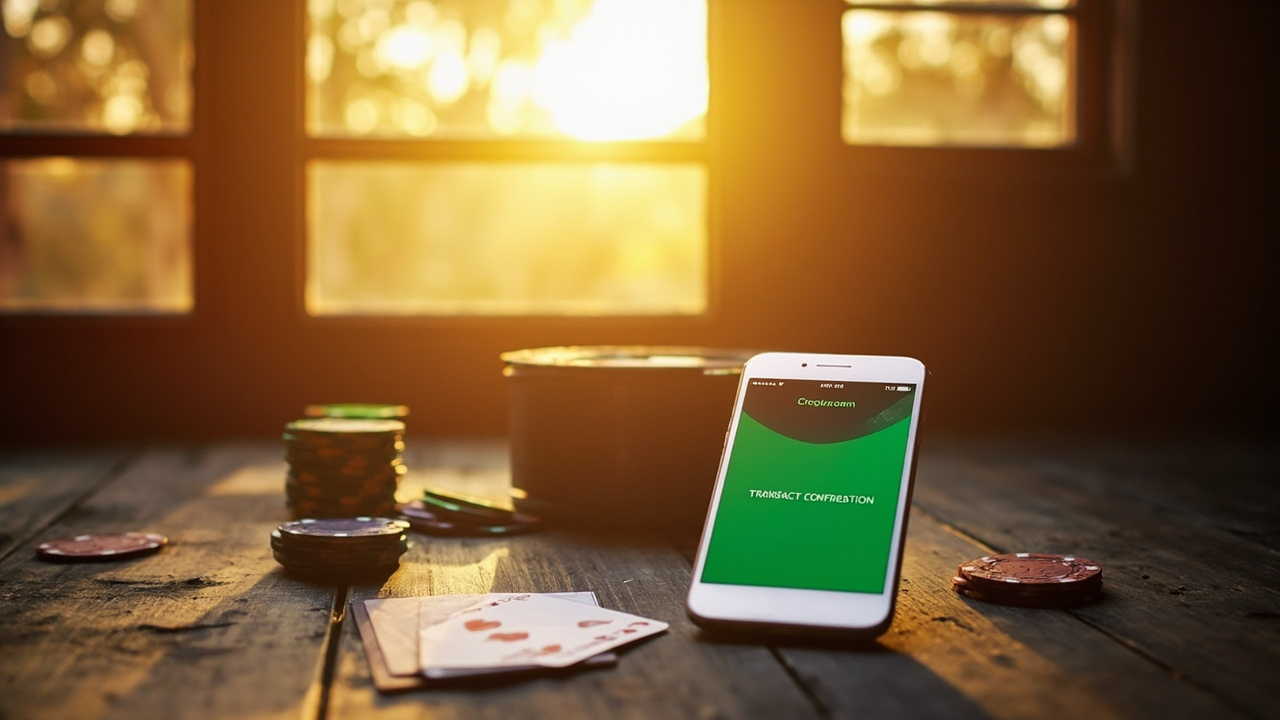
Chasing losses usually begins when a player shifts from entertainment to recovery, and that shift changes every decision that follows. The brain treats a red session as a problem to solve, which pushes stakes higher and sessions longer than the original plan allowed. In regional Queensland, where distance to a physical venue can be a few hours’ drive and internet reliability varies between towns, the temptation to keep playing online can feel even stronger because the next spin is only a tap away. A better habit is to set a loss ceiling before the first deposit and treat it as a hard stop, not a suggestion. I have seen VIP programmes overseas in the UK and Europe build in mandatory cool-off prompts after a defined drawdown, whereas the Australian market still leans heavily on self-declared limits. That difference matters because a system that waits for the player to step back will always lose to a system that intervenes. If you are weighing casino should i chase losses, the practical answer is to close the session, note the result, and return only when the next planned budget is ready. key to playcroco bonus code can ease the entry point for a fresh session, but a bonus never replaces a loss limit, and it should never be used as a reason to keep playing past a stop point.
Payments, Cashier Flow, and Why Limits Matter More Than Speed
The cashier is where discipline meets mechanics, and a well-built payment flow should make limits easy to set rather than easy to ignore. A sensible setup offers AUD as the base currency, supports familiar methods such as Visa, Mastercard, and trusted e-wallets, and keeps deposit and withdrawal limits visible before the first click. Verification should happen once, cleanly, so that withdrawals are not held up by repeated document requests later in the relationship. I have reviewed loyalty tiers where the highest rung gets faster processing and a dedicated contact, and that precision service is exactly what a serious player should expect when money is moving in and out. By contrast, some US operators lean on rapid-fire reload prompts that quietly encourage larger deposits, while European platforms often require clearer affordability checks before higher limits are raised. Down Under, the responsible approach is to make the limit the default, not the exception. Lily Martin, Payments Strategy Director, Pacific Wager Analytics, has noted that “a cashier designed for retention will always flag a limit breach before it processes the next deposit, because speed without guardrails just moves losses faster.” That stance should guide any player asking casino should i chase losses, because a smooth withdrawal is only useful if the deposit side has already been kept under control.
Loyalty, Support, and the Discipline of a Planned Session
A premium loyalty programme should reward consistency, not escalation, and the distinction is easy to miss when a bonus screen is flashing. The right structure offers points or tiered perks that accumulate through measured play, with clear terms on wagering and expiry, so the value is predictable rather than speculative. Support should be precise and available when a session needs a reset, not just when a technical fault appears. In regional areas, where a long drive to a venue is not always practical and connection quality can dip in the evening, responsive digital support matters more than a polished marketing page. I have compared this to European VIP desks that assign a single point of contact and keep a written record of every limit change, which is a standard worth expecting here as well. A player who treats each session as a planned event, with a start budget and a stop point, will always extract more value than one who keeps feeding a red run. The question casino should i chase losses has a straightforward answer: no, not as a strategy, and only ever as a decision to step away and return on the next planned budget. Olgr
Practical Questions Players Ask
Is it ever sensible to keep playing after a losing session?
Only if the session was already planned as a longer visit with a fixed budget and the loss sits within that envelope. If the loss has breached the original limit, the sensible move is to stop and reset, because raising stakes to recover usually deepens the drawdown rather than closing it.
How should a player set a loss limit that actually holds?
Set the limit before funding the account, choose a figure that still feels comfortable after a full session, and treat it as final for that day. A limit only works when it is entered before emotion enters the decision, and it should be paired with a time boundary so the session ends on schedule.

What role does a bonus play when a session goes red?
A bonus can soften the cost of a fresh session, but it is not a recovery tool and it should not be used to justify extra play. The wagering terms, expiry window, and game contributions matter more than the headline figure, so read the mechanics first and only use the bonus within the same loss limit that governs the rest of the session.